Answering the question, the best winter fertilizer for fescue strengthens roots, supports winter hardiness, and helps green up earlier in spring. This guide highlights top winterizing options that work well for tall fescue lawns and other fescues, emphasizing fall application windows, deep-rooting formulas, and slow-release nutrients. The featured products are suited for homeowners who want a healthy, resilient lawn through cold months and ready for rapid recovery when warm weather returns. The buying table below compares key options to help you choose confidently.
| Product | Best For | Approx Coverage | Key Benefit |
|---|---|---|---|
| Scotts Turf Builder WinterGuard Fall Lawn Fertilizer (4,000 sq. ft.) | All grass types; smaller yards | 4000 sq ft | Deep roots and recovery after summer |
| Green Thumb Winterizer Lawn Fertilizer (5,000 sq. ft.) | Winter stress resilience; deeper roots | 5000 sq ft | Easy to use, strong root system |
| Jonathan Green Winter Survival Fall Lawn Food (15,000 sq. ft.) | Fall repair and winter readiness | 15000 sq ft | High potassium, slow-release nitrogen |
| Scotts Turf Builder WinterGuard Fall Lawn Fertilizer (12,000 sq. ft.) | Large lawns; all grass types | 12000 sq ft | Prepares for next spring with deep roots |
| Scotts Turf Builder WinterGuard Fall Lawn Food (5,000 sq. ft.) | Balanced fall feeding; mid-size lawns | 5000 sq ft | Nutrient delivery for spring readiness |
Scotts Turf Builder WinterGuard Fall Lawn Fertilizer for All Grass Types
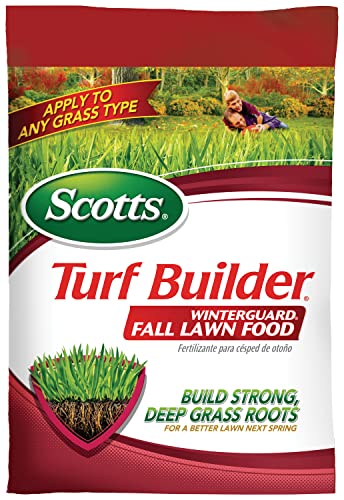
Best for general lawns needing a robust fall feeding, this Scotts formula builds strong, deep roots for a better lawn next spring. It helps lawns recover from summer heat, drought, and activity. Apply to wet or dry turf in the fall when feeding is most effective. Suitable for all grass types, including fescue, and designed to improve resilience through winter conditions.
Who it’s best for: homeowners with mixed grass types or those seeking a straightforward fall fertilizer that supports early spring green-up. Caution: avoid over-application; follow label directions to prevent nutrient burn in droughty soils.
Green Thumb Winterizer Lawn Fertilizer
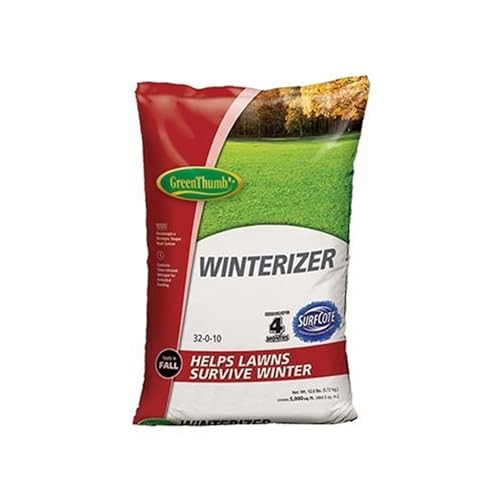
This winterizer is formulated to help lawns survive winter stress with a focus on stronger, deeper root growth. The 32-0-10 mix provides phosphorus and potassium to support root development and stress tolerance. It’s easy to use and can be applied in fall along with other fall lawn care routines.
Best for: fescue lawns that experience winter dryness or cold snaps and need solid roots to sustain through dormancy. Limitation: higher potassium emphasis means nitrogen release should be managed to avoid late-season growth in warmer spells.
Jonathan Green (12414) Winter Survival Fall Lawn Food
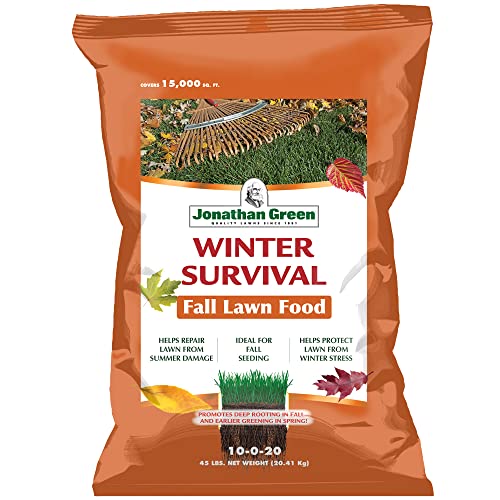
Designed as a fall winterizer, this 10-0-20 formulation emphasizes potassium to support deep rooting and nutrient storage for winter. It can repair summer lawn damage and prepare roots for harsh winter conditions, with a plan that supports early spring green-up when applied in fall and early November.
Best for: lawns that endured summer stress and need robust winter conditioning. Caution: due to its high potassium, avoid excessive applications on soils with already high base levels without soil testing.
Scotts Turf Builder WinterGuard Fall Lawn Fertilizer (12,000 sq. ft.)
Ideal for larger lawns, this 12,000 sq. ft. WinterGuard option offers fall nourishment to strengthen root systems and prepare turf for spring growth. Like other WinterGuard products, it targets recovery from heat and drought damage and supports healthy root development ahead of winter stresses.
Best for: bigger fescue or mixed lawns that want comprehensive fall feeding. Caution: ensure even distribution across a large area to prevent uneven growth in cooler, damp conditions.
Scotts Turf Builder WinterGuard Fall Lawn Food (5,000 sq. ft.)

Designed for mid-size lawns, this fall lawn food emphasizes deep root growth to strengthen turf for the next spring. It’s formulated to deliver nutrients that repair damage from heat and drought while promoting resilience through winter conditions.
Best for: mid-sized fescue lawns seeking reliable fall feeding. Limitation: price and ease of use may vary with application area compared to larger-volume options.
Buying Guide: Winter Fertilizers For Fescue
- Why fall feeding matters for fescue: Fall fertilization supports root development, nutrient storage, and stress tolerance before winter dormancy, helping green-up earlier in spring.
- Ask the right questions: What is your lawn size? Are you dealing with winter stress or summer damage? Do you prefer quick-release or slow-release nitrogen? Is your soil nutrient level known?
- Nitrogen and potassium balance: High potassium boosts winter hardiness; nitrogen type (quick vs slow release) affects green-up timing and risk of late-season growth.
- Usage timing and coverage: Apply when temperatures are cool but not freezing; ensure even coverage to avoid burn or sparse patches, especially on slopes or shaded areas.
- Soil health considerations: Conduct a soil test if possible to tailor fertilizer choice to your soil’s pH and existing nutrient levels, particularly for large or heavy-use lawns.
- Compatibility with overseeding: If you plan to overseed tall fescue, choose a product compatible with seed germination windows or use a dedicated seed-and-fertilizer blend if appropriate.
FAQ
- When is the best time to fertilize fescue in winter? Fall is typically the best, as the lawn stores nutrients for winter and supports spring green-up.
- Is a fertilizer with high potassium better for winter? Yes, higher potassium can improve winter hardiness and root systems, though balance with nitrogen is important for healthy fall growth.
- Can I apply fertilizer to wet grass? Many fall formulas are designed for wet or dry application, but follow label directions to avoid runoff and uneven uptake.
- Should I use seed and fertilizer combined products for fescue? Seed-and-fertilizer blends can help establish new tall fescue areas, but select products suitable for overseeding and lawn size.
- How do I avoid fertilizer burn? Use correct rates according to lawn size and soil conditions; water as recommended if applying on dry soil to prevent burning.
- Is soil testing necessary for winter fertilizers? It helps tailor recommendations but is not mandatory; it improves precision for large or problem lawns.