Looking for a parking grid that won’t ruin your lawn? This guide highlights top grass-friendly parking grids that protect your turf while providing stable, vehicle-ready surfaces. These options are best for homeowners needing temporary or semi-permanent parking, event spaces, or light-to-mid vehicle traffic on grassy areas. We compare five strong choices and explain who each product is best for, plus practical buying tips and a quick FAQ.
| Product | Best For |
|---|---|
| Yard Saver FGLLI01874-5PK Drive-On Lawn Grid | Easy-to-install lawn drive paths; small yards |
| TRUEGRID PRO Plus Permeable Pavers | Heavy vehicles, permanent or long-term installations |
| Wesnoy 10 Pcs Lawn Grid | Temporary parking and lawn protection in one; modular setup |
| Standartpark EasyPave Grass & Gravel Grid | Eco-friendly gravel parking and shed bases |
| VEVOR Ground Grid 25 ft x 9.5 ft | Large-area stabilization with high load tolerance |
Yard Saver FGLLI01874-5PK Drive-On Lawn Grid
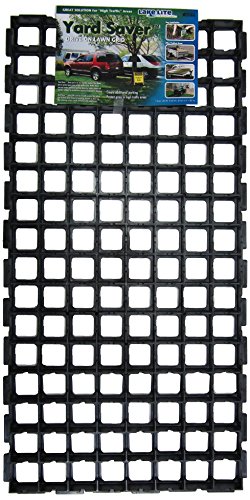
Best for small to medium lawns, this pack includes five sections that create a customizable drive path without mowing over the grass. The grid sections are designed to be driven on and are easy to install, with the goal of distributing weight evenly to protect underlying turf. This option is particularly suitable for homeowners who want a straightforward, temporary solution that can be laid out to suit unique lawn shapes. A potential limitation is that performance depends on accurate spacing and base preparation.
Gravel Grid 2” Depth With Metal Stakes

Best for stable, semi-permanent gravel driveways and parking areas on slopes or uneven ground. This set provides 6.6×16.4 ft of grid with stakes, staples, and snaps for secure installation. It’s well suited for driveways where soil stabilization and erosion control are priorities. Caution: assembly requires careful alignment and stake driving, especially on slopes, to maintain a tidy grid line.
TRUEGRID PRO Plus Permeable Pavers
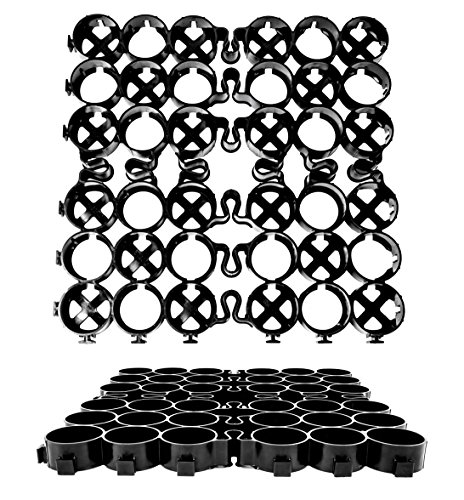
Best for heavy-duty use, these pavers are designed to handle 250,000+ lb vehicle loads with durable, recycled HDPE. They offer all-weather permeability and rapid drainage, making them ideal for long-term projects like driveways and parking lots. Choose this if you need robust performance and a US-made, recycled solution. A limitation is higher initial cost and installation planning compared to lighter duty grids.
Wesnoy 10 Pcs Ground Protection Mats

Best for modular, temporary parking that still protects lawns, these mats support heavy loads (up to about 3 tons per mat) when combined. The interlocking design simplifies setup and teardown, making it suitable for events or seasonal use. They help distribute weight to preserve turf, with a caution that longer-term wear may occur under continuous heavy traffic and must be rotated or replaced as needed.
GRITSPIKE 17.6 ft Gravel Grid Geocell

Best for long-lasting gravel stabilization on lawns and paths, this geocell grid provides strong load distribution and improved drainage. Its UV-resistant HDPE construction and reinforced interlocking design help reduce washouts, ruts, and erosion. It’s a solid choice when you need a durable, open-cell solution for mud control and traffic on soft ground. Limitation: heavier and less flexible than some lighter-duty products, which can impact ease of transport for very tight sites.
Standartpark EasyPave Grass & Gravel Grid

Best for eco-conscious projects, this system uses 100% recycled plastic and offers 2″ depth with a robust 80,000 lbs load capability under suitable bases. It’s versatile for gravel driveways, parking lots, and shed bases. The modular design supports flexible configurations. A caution is to ensure the base installation follows recommended spacing for optimal load distribution.
Buying Guide
What load should your parking grid support?
Consider typical vehicle weight and the number of vehicles that will use the space. Heavy-duty grids like TRUEGRID PRO Plus or Wesnoy mats can handle cars and trucks, while lighter grids are best for occasional use or foot traffic.
Is drainage important?
Permeable grids prevent puddling and mud. If you expect wet conditions or drainage concerns, prioritize grids with good open-cell design and proven permeability.
How permanent should the solution be?
For temporary or seasonal use, modular and interlocking designs (such as Wesnoy or Yard Saver) are easier to install and remove. For permanent driveways, higher-load, long-term grids (like TRUEGRID PRO Plus) are typically more cost-effective over time.
What base preparation is required?
Most grids perform best with a compacted base of sand, gravel, or soil stabilization underneath. Improper base preparation can reduce load-bearing capability and cause shifting or settlement.
Installation considerations
Look for grids with straightforward assembly, minimal tools, and clear alignment guides. Sloped or uneven sites may require stakes or accessories to secure the grid edges.
Maintenance and replacement
Regular inspection helps identify wear or movement. Some options allow for easier replacement of individual panels or mats, which can lower long-term maintenance costs.
Environmental impact
Recycled materials and permeable designs reduce environmental impact. If sustainability matters, prefer products highlighting recycled content and durable, long-lasting construction.
FAQ
- What is the primary benefit of a grass-friendly parking grid? It redistributes vehicle weight to protect turf, reducing soil compaction and grass damage.
- Can these grids support heavy vehicles? Some grids are designed for very high loads (e.g., 250,000+ lb), while others are better suited for light to moderate traffic.
- Do you need a driveway base? Yes, a stable base improves performance; many grids require compacted soil, sand, or gravel beneath.
- Are these grids a permanent solution? Some grids are intended for permanent installation, while others are modular for seasonal use.
- How long does installation take? It varies by product but is generally faster for modular interlocking systems than for poured surfaces.
- Can these grids improve drainage? Permeable designs facilitate drainage and reduce surface pooling in wet conditions.