Choosing the right motor oil for a lawn mower depends on engine type, climate, and maintenance goals. This guide highlights five top options suited to common small engines, helping buyers pick oil that protects wear, reduces deposits, and supports easy starts. Best for: casual homeowners, multi-tool owners, and those maintaining older mowers seeking improved longevity.
Summary of chosen products
- STP Premium Small Engine 4 Cycle Oil SAE 10W-30
- Pennzoil 10W-30 Motor Oil, 1 Quart
- Lucas Oil 11314 SAE 10W-40 Lawn Mower Motor Oil, 1 Quart
- Valvoline High Mileage with MaxLife Technology 10W-30 Synthetic Blend, 5 Quart
- TRIAX Power 4-Stroke SAE 30W Full Synthetic 1 Gallon
STP Premium Small Engine 4 Cycle Oil SAE 10W-30

Key features: SAE 10W-30 motor oil designed for small engines in lawnmowers, generators, tractors, snow blowers, and other outdoor power equipment. All-weather formula promotes easier starts year-round. Antioxidants help resist thermal breakdown for sustained oil performance.
Best for: owners with a mix of seasonal mowing and outdoor tools who want reliable cold and hot-start performance. Why selected: strong wear protection in a synthetic blend and a broad small-engine compatibility profile. Caution: oil performance is optimized within standard small-engine usage; check compatibility with older engines before switching.
Pennzoil 10W-30 Motor Oil, 1 Quart

Key features: 10W-30 motor oil formulated to keep engines clean and responsive. Provides proven wear protection based on standard wear tests and helps prevent dirt and contaminants from forming deposits that could impact performance.
Best for: lawn mowers needing consistent wear protection and deposit control. Why selected: a well-known brand with a focus on engine cleanliness and reliable lubrication. Caution: performance claims are standard industry benchmarks; real-world results vary with engine condition.
Lucas Oil 11314 SAE 10W-40 Lawn Mower Motor Oil – 1 Quart
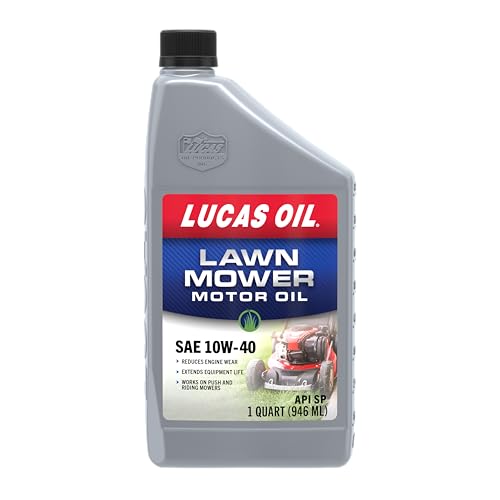
Key features: SAE 10W-40 viscosity. Focuses on reducing engine wear and extending equipment life. Suitable for both push and riding mowers with protection against overheating.
Best for: owners with older or higher-load lawn equipment seeking strong wear protection and heat resistance. Why selected: broader viscosity range and targeted wear reduction. Caution: 10W-40 may be less ideal in very cold climates where thinner oils are preferred for cold starts.
Valvoline High Mileage with MaxLife Technology 10W-30 Synthetic Blend, 5 Quart
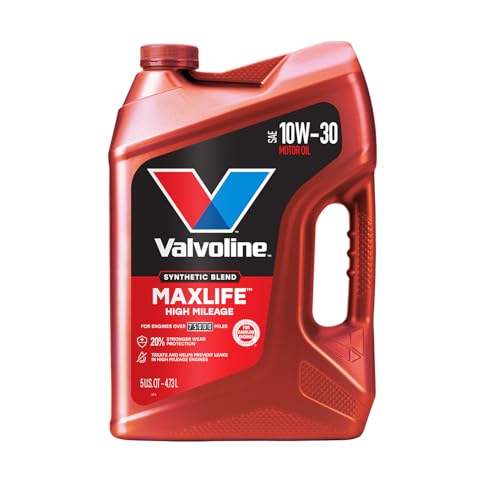
Key features: MaxLife Technology aims to prevent engine breakdown with enhanced wear protection and seal conditioners to reduce oil consumption and leaks in high-mileage engines. Includes detergents to reduce sludge and deposits for cleaner operation.
Best for: engines with many hours or older seals that may benefit from additional sealing and deposit control. Why selected: targeted maintenance for high-mileage small engines. Caution: not the optimal pick for brand-new engines that don’t yet need seal conditioning.
TRIAX Power 4-Stroke SAE 30W Full Synthetic 1 Gallon
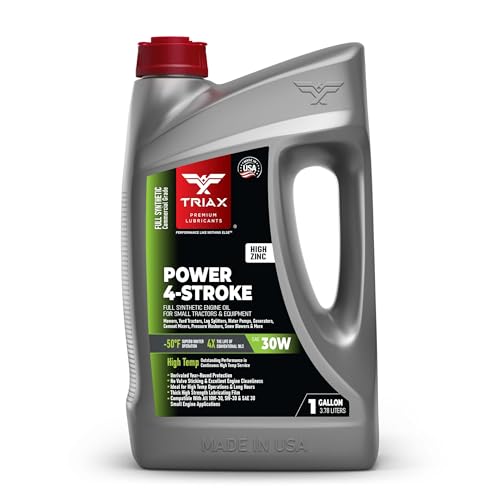
Key features: High-zinc formula with 2x the zinc of OEM oils, designed for small engines with commercial-grade durability. All-season performance from -40°F to 130°F with strong deposit control for soot and valve wear reduction.
Best for: users needing maximum wear protection and deposit control in varied climates or with high-hour equipment. Why selected: heavy-duty formulation intended to extend lifespan under demanding use. Caution: 30W viscosity might be thicker for very cold starts in cold environments; consider thinner oil for winter storage.
Buying Guide
What to consider when choosing lawn mower oil
- Engine type and viscosity: Small engines typically use SAE 10W-30 or 10W-40. Check your mower’s manual for the recommended viscosity.
- Climate and seasonal use: All-weather or multi-season formulas support year-round starting and performance.
- Oil life and wear protection: Synthetic blends often provide better wear protection and deposit control in extreme conditions.
- High-mileage engines: If your mower has many hours, consider oils with MaxLife technology or seal conditioners to reduce leaks and oil consumption.
- Deployment and maintenance: Some oils are designed for both push mowers and riding mowers; ensure compatibility with your equipment.
Oil types at a glance
- Synthetic blend 10W-30: Good balance of protection and cost for most temperate climates.
- Full synthetic: Best protection, especially in extreme temperatures and heavy-duty usage.
- 10W-40: Strong protection under higher temperatures; may be too thick for very cold starts.
- High mileage formulas: Targeted for engines with age-related seal wear and higher oil consumption.
How to read oil labels
- SAE rating indicates viscosity at cold and hot temperatures (e.g., 10W-30).
- Warranty and engine manufacturer requirements should guide compatibility decisions.
- Zinc and additive technology can influence wear protection and deposit control.
Best practice for lawn mower oil changes
- Change oil according to the mower’s manual schedule or after extended storage.
- Use the correct fill amount to avoid oil leaks or overfill.
- Dispose of used oil properly at a recycling facility.
Quick comparison table
| Product | Best For | Notable Pros | Limitations |
|---|---|---|---|
| STP Premium Small Engine 4 Cycle Oil SAE 10W-30 | All-season small engines | All-weather formula, wear protection | Less ideal for very cold extremes if not preferred viscosity |
| Pennzoil 10W-30 | Clean engines and deposits control | Proven wear protection, deposit prevention | Standard performance claims |
| Lucas Oil 11314 SAE 10W-40 | Higher-load mowers | Excellent heat protection, reduces wear | 10W-40 may be less ideal in very cold weather |
| Valvoline High Mileage 10W-30 | High-mileage engines | Seal conditioners, reduced leaks | Not necessary for brand-new engines |
| TRIAX Power 4-Stroke 30W | Heavy-duty, varied climates | High zinc, long life, all-season | Thicker oil may impact cold starts |
FAQ
- What viscosity should I use for a typical lawn mower?
Use the manufacturer’s recommendation, typically SAE 10W-30 or 10W-40 depending on climate and engine age. - Is a synthetic oil better for lawn mowers?
Synthetic or synthetic-blend oils offer stronger wear protection and deposit control, especially under heat or high-load use. - Can I mix different brands of oil in my mower?
Mixing brands is generally not recommended; follow the engine’s oil specification and brand for best results. - How often should I change lawn mower oil?
Follow the mower’s manual, but a common guideline is every season or after a set number of operating hours. - What if my mower has high mileage?
Consider high-mileage formulas with seal conditioners to reduce leaks and oil consumption. - Is 30W oil suitable for lawn mowers?
30W is suitable for some engines and climates but ensure it matches the recommended viscosity for your model.