Answering the question “which mesh tarps are best for flatbeds and trailers?” this guide highlights five top options designed for airflow, shade, and cargo protection. These tarps are ideal for contractors, farmers, fleet operators, and DIYers who need to cover loads without sacrificing ventilation. Each pick is evaluated for best-use cases, with practical notes on limits and installation. Below is a quick summary table of the featured products to help you compare at a glance.
| Product | Best For | Key Benefit | Limitations |
|---|---|---|---|
| Tarps Now 6′ x 12′ Mesh Tarp | Small to medium flatbed loads, backyards | 75% shade with high airflow | Smaller size may require multi-tarp setup for large loads |
| Tarps Now 12′ x 20′ Mesh Tarp | Large flatbed trailers, trucks | 75% shade with reinforced webbing | Longer sheets may require more securing points |
| Mytee Products Bee Net/Bee Hauling Tarp | Beekeeping and tree transport | Drop and flaps for extra coverage | Specialized use; not a general-purpose tarp |
| CARTMAN 20′ x 27′ Flatbed Tarp | Heavy cargo protection | Durable vinyl waterproof layer | Heavier material may be less breathable |
| Wowangce 20 x 16 ft Flatbed Tarp | All-weather cargo on flatbeds | PVC-coated polyester with reinforced edges | Mid-size footprint; may not cover extremely large loads |
Tarps Now 6′ x 12′ White Heavy Duty Mesh Tarp

This 6′ x 12′ mesh tarp is built from 100% virgin HDPE with a 75% shade rating. Ideal for small flatbeds, breezeways, kennels, and trailers, it prioritizes airflow while delivering sun protection. Heavy-duty grommets and industrial-grade webbing help it withstand wind and sun exposure. Best for: small delivery runs, door-to-dock shade, and light-duty load screening. Caution: its compact size may require overlapping tarps for larger loads.
Tarps Now 12′ x 20′ White Heavy Duty Mesh Tarp

This larger mesh tarp mirrors the same 75% shade and 50 Mil construction with 18-inch-apart brass grommets. It’s designed to cover bigger flatbeds, trucks, or trailers while promoting airflow and shade. Best for: medium-to-large flatbed operations and outdoor shade enclosures. Better for: customers needing wider coverage per sheet. Limitation: heavier weight may require more robust securing strategies in high-wind areas.
Mytee Products Bee Net/Bee Hauling Tarp 28′ x 27′
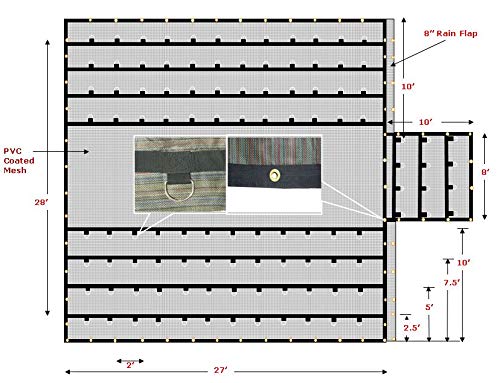
Designed for bee hives and tree transports, this 28′ x 27′ tarp includes a 10′ drop and 8″ rain flaps. It uses heavy-duty PVC-coated mesh with four rows of D-rings for robust securing. Best for: specialized payloads where a drop and tail design helps prevent sail and wind. Caution: not a typical shade tarp; it prioritizes containment and airflow for niche applications.
CARTMAN 20′ x 27′ Flatbed Tarp With 6′ Drop

This 20′ x 27′ heavy-duty flatbed tarp uses an 18 oz vinyl waterproof layer with a 6′ drop and an 8′ x 6′ flap. Best for: large lumber and bulky cargo that require full rain protection and wind resistance. Choose this if you prioritize waterproofing over maximum breathability. Limitation: vinyl tarps can be less breathable than mesh equivalents, which may reduce airflow on hot days.
Wowangce 20 x 16 ft Flatbed Tarp
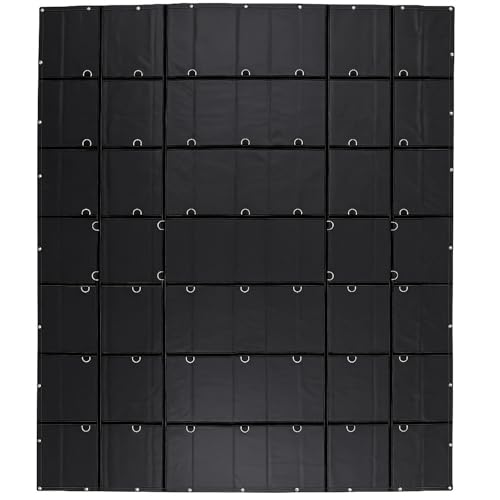
Constructed from 14-ounce PVC-coated polyester, this mid-size tarp emphasizes waterproof protection with reinforced edges and multiple D-ring rows. Best for: versatile weatherproofing on mid-sized flatbeds. Better for: securing heavier loads with a durable perimeter. Limitation: not the thinnest option for very light cargo handling, but it offers strong weather resilience.
Buying Guide: Key Considerations For Mesh Tarps On Flatbeds
What size fits your loads? Measure payload length, width, and drop requirements. For larger flatbeds, choose 12′ x 20′ or 20′ x 27′ options to minimize gaps and wind sail.
Shade vs. waterproofing: Mesh tarps excel at airflow and shade (around 75% shade rating). If rain protection is critical, consider vinyl or PVC-coated options with weatherproof layers.
Materials and durability: Look for UV resistance, double-stitched hems, and sturdy grommets. HDPE and PVC coatings increase longevity under sun and wind.
Attachment system: Ensure grommet spacing (often ~18 inches) matches your tie-down pattern. Multiple D-ring rows improve load security on uneven terrain.
Ventilation needs: Mesh tarps promote airflow to prevent moisture buildup. For heat-sensitive cargo, prioritize higher shade factors and breathable fabrics.
FAQ
- Q: Are mesh tarps suitable for all weather? A: Mesh tarps provide shade and airflow, which helps in hot, dry conditions, but vinyl or PVC-coated tarps offer superior water protection in rain.
- Q: How should I secure tarps on a flatbed? A: Use multiple rows of D-rings, reinforced webbing, and grommets spaced evenly (about every 18 inches) to minimize sail and movement at speed.
- Q: What size should I choose for a standard trailer? A: Start with a tarp that fully covers the bed width plus some overhang; 12′ x 20′ or larger works well for common flatbeds and trailers.
- Q: Do heavy vinyl tarps restrict airflow more than mesh? A: Yes. Vinyl tarps provide waterproofing but reduce airflow; mesh tarps optimize air exchange while offering shade.
- Q: Can I use mesh tarps for beekeeping or tree transport? A: Specialized designs like bee net tarps are optimized for those tasks; use purpose-built tarps when the payload requires specific features.
- Q: Do tarps require maintenance? A: Inspect grommets and seams regularly, remove debris, and avoid sharp objects near edges to prevent tearing.