Looking for a reliable towing bridle for your dinghy or inflatable boat? This guide compares the top options that distribute force evenly, stay buoyant, and resist seawater wear. Ideal for small craft owners, charter operators, and DIY sailors who need predictable tracking and safer launches. Below you’ll find five well-matched products, each with clear use cases, benefits, and limitations. A quick table compares core traits to help you decide at a glance.
| Product | Best For | Material | Foam/Buoyant Float | Key Benefit |
|---|---|---|---|---|
| C-Level, Inc 3 Point Dinghy Towing Bridle | Inflatable dinghies needing even pull | 1-inch stainless steel hardware, U.S.-made | Yellow float | Even force distribution with adjustable middle leg |
| FEIJAZUM 3 Point Dinghy Towing Bridle with Float | Coastal or offshore small boats | 1-inch high-strength polyester webbing | Yes, yellow buoyant module | Balanced force, reduces rollover risk |
| FEIJAZUM 2 Point Dinghy Towing Bridle with Float | Simple setups with extra visibility | 1-inch polyester webbing | Yes | Reinforced stitching for dependable strength |
| Marine Part Depot Dinghy Towing Bridle with Float | Budget-friendly dinghy towing | Standard towing bridle with float | Yes | Simple, reliable float design |
| SENKEYFE Tow Straps V Bridle | Heavy-duty recovery of small to mid vehicles | V Bridle strap with J hooks | Not float-focused | High breaking capacity for tough recoveries |
C-Level, Inc 3 Point Dinghy Towing Bridle
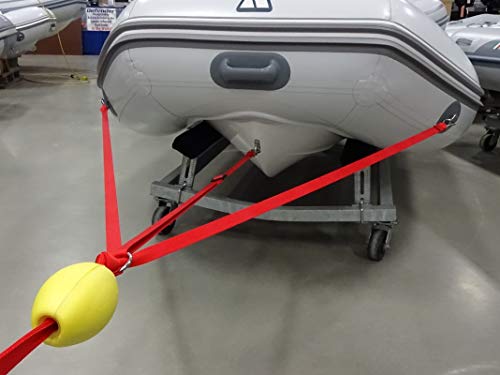
The C-Level, Inc 3 Point Dinghy Towing Bridle uses a tri-point design with an adjustable middle leg to distribute pulling force evenly along the towing path. It is described as U.S.-made with stainless steel towing rings and snap hooks, and a bright yellow float to prevent sinking. This configuration is best for dinghies that require stable tracking in varying sea conditions. Choose this if you want a dedicated, American-made option with visible buoyancy hardware to help prevent snagging or tangling.
Best for: Smaller dinghies or inflatables that benefit from even load distribution and a clear buoyant aid. Limitations: Some users may find the setup a bit more complex than a two-point system.
FEIJAZUM 3 Point Dinghy Towing Bridle with Float
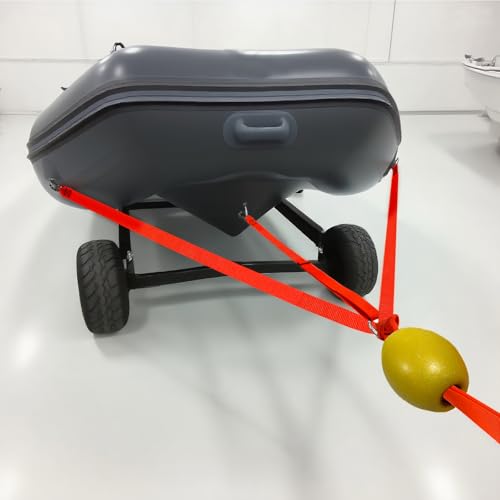
This FEIJAZUM bridle emphasizes uniform force distribution via an adjustable middle leg, designed to keep inflatable boats or dinghies on a straight course and reduce the risk of yaw. It uses 1-inch polyester webbing with a high-density buoyancy module in yellow to maintain surface float. It is best for inflatables or dinghies operating in coastal waters where easy visibility matters. Provided data indicate strong chemical stability in the webbing for long-term use at sea. Limitation: The design relies on the float for buoyancy; in rough seas, tethering may require closer attention to line tension.
Best for: Towing scenarios where straight-line tracking matters and buoyancy aids visibility. Avoid this if you prefer a two-point setup or require minimal hardware complexity.
FEIJAZUM 2 Point Dinghy Towing Bridle with Float

This two-point FEIJAZUM bridle offers reinforced stitching and a floating design to keep the line visible and afloat, minimizing potential propeller entanglement. The 1-inch high-strength polyester webbing provides chemical stability and long-term seaworthiness. Best for: Simpler towing needs where quick hookup is advantageous and a two-point arrangement suffices. Limitation: Does not provide the same resistance to roll or yaw as a three-point system in turbulent seas.
Marine Part Depot Dinghy Towing Bridle with Float

The Marine Part Depot option provides a straightforward dinghy towing bridle with a float. While it may be a budget-friendly choice, its simplicity makes it suitable for occasional tow operations or budget-conscious users who still want reliable floatation and basic load handling. Best for: Casual weekend sailors or as a spare towing bridle. Limitation: Fewer design enhancements for weight distribution compared to multi-point bridles.
SENKEYFE Tow Straps V Bridle

The SENKEYFE V Bridle is designed for heavy-duty recovery and towing tasks, offering a 16200-pound breaking capacity with 5400-pound working load. It includes eight-inch J hooks and a forged triangle ring for secure attachments. This option suits larger, more powerful towing operations or scenarios requiring high tensile strength rather than buoyancy for small dinghies. Best for: Rough-water or heavy-load recovery tasks where strength matters more than buoyancy. Limitation: Not designed with a floating feature, so extra care is needed to avoid entanglement with propulsion equipment.
Buying Guide
Key considerations when choosing a dinghy towing bridle:
- Number of towing points: Three-point bridles distribute force more evenly and reduce yaw; two-point models are simpler and lighter for small boats.
- Material and hardware: Look for 1-inch or larger polyester webbing for strength and chemical stability. Stainless steel rings and hooks resist corrosion in saltwater.
- Buoyancy and visibility: A bright yellow float or buoyant module keeps the line afloat and visible, reducing the risk of line tangling or propeller contact.
- Length and adjustability: Middle-leg adjustability helps balance towing loads as boat weight and sea state change.
- Intended use: Coastal dinghies, inflatables, and small sailboats have different load patterns; match the bridle to your typical towing scenario.
- Maintenance: Inspect stitching, hardware, and webbing for wear after exposure to sun, salt, and abrasion.
Frequently Asked Questions
- What is the advantage of a three-point dinghy towing bridle? – It distributes pulling force across multiple lines, reducing the risk of side-to-side drift and improving straight-line tracking in waves.
- Are buoyant bridle floats necessary? – Floats keep the line above water, reducing drag and the chance of snagging in the propeller or hull.
- Can I use a V-bridle for dinghies? – V-bridles provide strong recovery capabilities for heavier loads but may lack buoyant features; choose based on expected tow weight and environment.
- How do I maintain a dinghy towing bridle? – Rinse with fresh water after saltwater use, inspect for wear after each trip, and replace worn stitching or hardware promptly.
- Should I prefer a U.S.-made bridle? – For some buyers, domestic manufacturing supports consistent standards and parts availability; weigh this against price and features.
- What if the seas are rough? – Opt for bridles with three-point designs and buoyant floats to maintain stability and visibility during high-wind conditions.