Choosing the best soil for raised beds vegetables is essential for a bountiful and healthy harvest. Raised beds provide excellent drainage and soil control, but selecting nutrient-rich and well-aerated soil enhances vegetable growth significantly. Below is a summary table featuring top organic and natural soil mixes and plant nutrition products designed specifically for raised bed gardening.
| Product | Brand | Key Features |
|---|---|---|
| Espoma Organic Raised Bed Mix | Espoma | Contains earthworm castings, alfalfa meal, kelp meal, feather meal, and proprietary mycorrhizae blend |
| Miracle-Gro Performance Organics Raised Bed Plant Nutrition | Miracle-Gro | Natural & organic plant food in granules, visible results within 7 days, ideal for veggies, fruits, herbs |
| Miracle-Gro Organic Raised Bed and Garden Soil | Miracle-Gro | OMRI listed, quick release natural fertilizer feeding for up to 2 months |
| Coast of Maine Organic Castine Blend (1 cu ft) | Coast of Maine | Formulated with worm castings, biochar, mycorrhizae, lobster and crab shell meal, enhances aeration |
| True Organic Raised Bed Food | True Organic | Rich organic blend with seabird guano, shrimp & crab shell meal, nourishes plants for 2 months |
Espoma Organic Raised Bed Mix Soil

Espoma Organic Raised Bed Mix is an all-natural soil blend formulated specifically for raised garden beds. It contains high-quality organic inputs such as earthworm castings, alfalfa meal, kelp meal, and feather meal. These enrich the soil with essential nutrients to support vegetable and herb growth.
This mix also includes MYCO-TONE, Espoma’s proprietary blend of endomycorrhizae and ectomycorrhizae fungi. These beneficial fungi improve root absorption, increasing nutrient intake and overall plant vigor. The soil is ideal for use in outdoor containers and raised beds, promoting healthy plant development in organic gardening setups.
Miracle-Gro Performance Organics Plant Nutrition Granules
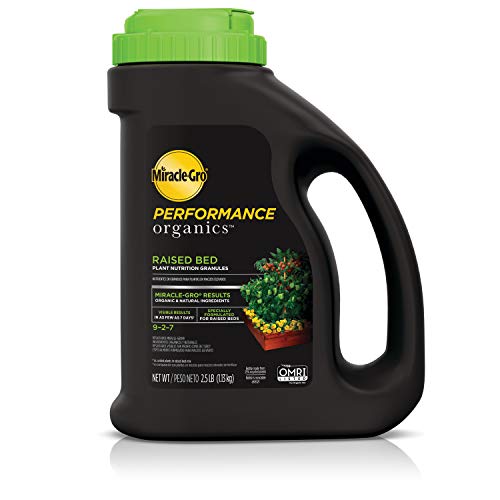
This Miracle-Gro product is a specially formulated plant food designed to feed vegetables, fruits, herbs, and flowers grown in raised beds. It is made of natural and organic ingredients ensuring soil and plant safety.
Users can expect to see visible improvements in as little as 7 days compared to unfed plants. The granules steadily release nutrients, supporting continuous growth and maximizing yield in raised beds. This formula is easy to apply, making it a convenient nutrient booster for gardeners.
Miracle-Gro Organic Raised Bed and Garden Soil

Miracle-Gro Organic Raised Bed and Garden Soil is OMRI listed and peat-free, making it an environmentally responsible choice. It contains a natural quick-release fertilizer that feeds plants for up to two months.
The soil is guaranteed to produce more vegetables and promote bigger harvests compared to unfed plants. Its blend is designed to nourish and support vigorous plant growth in raised beds. This product is suitable for gardeners seeking organic options that combine soil and fertilizer benefits.
Coast of Maine Organic Castine Blend Raised Bed Mix

The Castine Blend from Coast of Maine is a premium raised bed soil mix rich in organic amendments. It includes worm castings, mycorrhizae, biochar, green sand, kelp meal, and shell meals from lobster and crab.
This dynamic mix improves drainage, aeration, and water retention—key factors in healthy raised bed gardening. It is ready to use with no additional mixing, suitable for growing vegetables, herbs, and flowers. The added mycorrhizae stimulate root growth and nutrient uptake.
True Organic Raised Bed Food Fertilizer

True Organic Raised Bed Food is a specially formulated organic fertilizer optimized to support sustained growth of herbs, flowers, vegetables, and fruits in raised beds and containers.
Its rich blend contains seabird guano, shrimp and crab shell meal, among other premium ingredients that enrich soil life and fertility. The product provides consistent nourishment with an easy application schedule every two months during the growing season, ensuring robust plant health over time.
Buying Guide for Best Soil and Fertilizer for Raised Bed Vegetables
When selecting soil and fertilizers for raised bed vegetable gardening, several factors are key to ensuring optimal plant growth and yield:
1. Organic Composition
Look for products made from organic and natural ingredients like earthworm castings, kelp meal, and natural fertilizers. Organic soils improve microbial activity, soil structure, and nutrient availability without harmful chemicals.
2. Nutrient Content and Fertilization
Raised beds need soil with a good balance of nutrients or supplemented with fertilizers designed for vegetables. Quick-release or slow-release fertilizers support plants at different growth stages. Consider options with multi-nutrient blends including nitrogen, phosphorus, and potassium.
3. Soil Texture, Aeration, and Drainage
The ideal raised bed soil should retain moisture while providing adequate drainage to prevent root rot. Ingredients like biochar, compost, and green sand improve soil aeration and water retention, providing a healthy root environment.
4. Mycorrhizal Fungi and Microbial Enhancers
Products enriched with mycorrhizae and beneficial microbes enhance root growth and nutrient uptake, encouraging vigorous plant development and disease resistance.
5. Ready to Use vs. Amendments
Some mixes come ready-to-use, suitable for immediate planting, while others may require blending with fertilizers or compost. Choose according to your gardening routine and time availability.
6. Sustainability and Environmental Impact
Opt for peat-free, OMRI-listed, and sustainably sourced soil mixes and fertilizers to reduce environmental impact while promoting organic gardening.
7. Application Frequency and Convenience
Consider how often fertilization is needed. Some products offer long-lasting feeding for up to 2-3 months, reducing maintenance and ensuring consistent nutrition.
By evaluating these considerations across soil mixes and fertilizers, gardeners can select the best combination to maximize the health and productivity of their raised bed vegetable gardens.