Choosing the best soil for nerve plants is essential to promoting their vibrant foliage and overall health. Nerve plants require well-draining, moisture-retentive, and nutrient-rich soil that supports their tropical nature. Below is a summary table of some top-rated potting mixes from Amazon, specifically selected to suit the needs of nerve plants as well as other common indoor houseplants.
| Product | Brand | Key Features |
|---|---|---|
| Back to the Roots 100% Organic Indoor Potting Mix | Back to the Roots | Organic, yucca extract for moisture retention, mycorrhizae for root health, peat-free |
| Miracle-Gro Houseplant Potting Mix | Miracle-Gro | Fertilized, perlite blend, reduces gnats, ideal for indoor plants |
| Miracle-Gro Indoor Potting Mix, 2-Pack | Miracle-Gro | Feeds for up to 6 months, versatile for various indoor plants |
| Miracle-Gro Organic Indoor Potting Mix | Miracle-Gro | Peat-based, coir, fertilizer, OMRI listed, protects against over/under watering |
| Burpee Premium Organic Potting Mix | Burpee | Organic, coconut coir for moisture retention, feeds plants for 3 months |
Back to the Roots Organic Indoor Potting Mix

This organic potting mix contains a unique blend including yucca extract that helps retain the proper moisture level, essential for nerve plants that enjoy a humid environment but dislike soggy roots. The inclusion of root-boosting mycorrhizae promotes a healthy root system by improving nutrient uptake, which contributes to stronger, more vibrant foliage growth.
As a peat-free, eco-friendly option, it helps reduce environmental impact, making it a responsible choice for sustainable indoor gardening. Its well-balanced moisture retention and nutrient availability make it ideal for nerve plants and other tropical houseplants.
Miracle-Gro Houseplant Potting Mix for Indoor Plants

This mix is specially formulated with a combination of perlite, sphagnum moss, and peat moss to maintain optimal moisture levels while reducing gnat infestation risks. It’s fertilized to support healthy growth and is recommended for various houseplants, including nerve plants, spider plants, and philodendrons.
Its formula offers excellent aeration and drainage, helping to reduce root rot potential, crucial for nerve plants because of their sensitivity to overwatering. This makes it a practical choice for indoor gardeners looking for a convenient, ready-to-use potting soil solution.
Miracle-Gro Indoor Potting Mix, 2-Pack
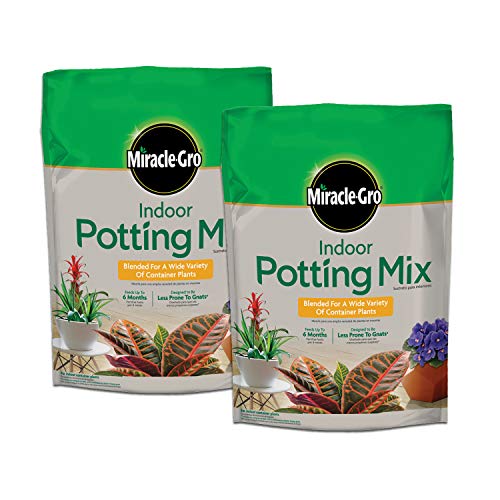
This bundle offers two 6-quart bags perfect for multiple repottings or larger indoor garden collections. Designed for versatility, it supports a wide range of houseplants, including those with climbing or tropical foliage like nerve plants.
The mix feeds plants for several months and provides an ideal balance of aeration and water retention. To use, fill pots about one-third full with this mix, add your plant, then cover the root ball with more soil. This method ensures healthy root development and prevents compaction.
Miracle-Gro Organic Indoor Potting Mix

This OMRI listed organic mix is crafted with responsibly sourced sphagnum peat moss, coconut coir, and a natural quick-start fertilizer. It provides excellent moisture regulation, protecting nerve plants against both over and under watering.
The peat and coir blend enhances soil texture for optimal air and water movement, critical for preventing root diseases and promoting healthy growth. It’s suitable for all indoor container plants, including delicate herb varieties, offering versatility for indoor gardening.
Burpee Premium Organic Potting Mix

A natural blend with coconut coir and plant food, this mix promotes robust seedling and root growth, making it suitable for indoor or outdoor container plants. The sustainable coir retains moisture well, reducing the frequency of watering sessions—ideal for nerve plants that prefer consistently moist but not waterlogged soil.
The slow-release fertilizer helps sustain plant nutrition for up to three months, encouraging healthy foliage and flowers. It’s an excellent organic option for gardeners wanting to use fewer synthetic chemicals indoors.
Buying Guide for the Best Soil for Nerve Plants
Selecting the right soil involves considering several key factors:
Drainage and Aeration
Nerve plants thrive in soil mixes that drain well to prevent root rot but retain enough moisture to keep the roots hydrated. Look for mixes with perlite, coco coir, or sphagnum moss which improve aeration and water retention balance.
Nutrient Content
Since nerve plants benefit from steady nutrients, choose soils with added fertilizers or organic matter like compost or mycorrhizae. These provide essential nutrients over time, supporting healthy growth without over-fertilization risks.
Organic and Environmental Impact
If sustainability is a priority, seek organic or peat-free options. Peat extraction impacts ecosystems, so coconut coir or other renewable materials are a responsible alternative. Certified organic soils reduce synthetic chemical exposure.
Pest Resistance
Indoor plants often contend with fungus gnats. Soils formulated to be less prone to gnats, typically via balanced moisture retention and aeration, help maintain healthier indoor plant environments.
Plant-Specific Needs
While many potting mixes are versatile, nerve plants prefer slightly acidic to neutral soils with excellent moisture regulation. Avoid heavyweight or dense soils that risk compaction. Selecting a soil blend marketed for tropical or indoor foliage plants can be advantageous.
Packaging and Quantity
Consider the container sizes you tend to use and how often you repot. Bundles like double packs provide convenience and value, while small bags are good for occasional repotting. Always buy enough to allow proper root coverage and aerated soil around the root ball.
By evaluating soil properties from moisture retention to nutrient content and sustainability, you can identify a potting mix that will keep your nerve plants lush and thriving indoors.