The best small awning for a front door provides weather protection, reduces heat gain, and keeps entrances dry. This guide focuses on compact, easy-to-install options ideal for entryways, porches, and small doorways. The top picks below are chosen for clear assembly instructions, durable materials, and year-round performance. Ideal buyers range from homeowners seeking quick, sturdy shade to renters needing a temporary, non-permanent canopy. Below is a quick comparison table of the five selected products to help you decide at a glance.
| Product | Size | Material | Best For |
|---|---|---|---|
| VINGLI Window Awning Door Canopy | 40″ x 40″ | Polycarbonate, ABS, Aluminum | All-weather entry protection with easy installation |
| VEVOR Fixed Metal Awning 56 x 24 | 56″ x 24″ | Metal with triangular frame | Durable, wind-resistant shade for doors/windows |
| VEVOR Awnings for Door Entrance 38″ x 40″ | 38″ x 40″ | Polycarbonate with ABS brackets | Efficient drainage and UV protection |
| Kozyard Adjustable Door Window Awning | 82″ W × 43 1/2″ | Aluminum frame, metal canopy | Customizable shade with all-weather protection |
| GDPFN Metal Awning 54×24 | 54″ x 24″ | Steel with stone coating | Sturdy, year-round performance with adjustable angle |
VINGLI Window Awning Door Canopy
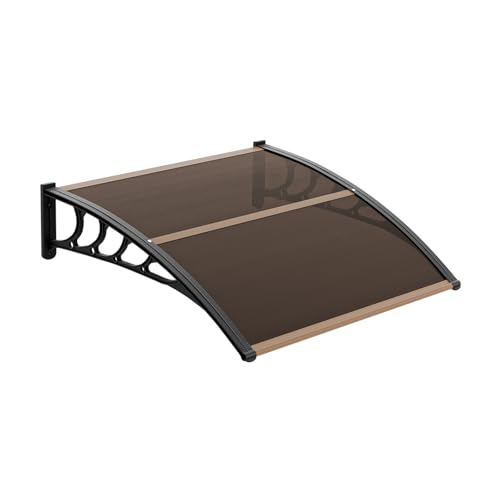
Best for quick installation and basic front-door protection. This canopy uses clear hollow polycarbonate panels with ABS brackets and aluminum rails, delivering all-season shielding from sun, rain, and snow. The installation guide emphasizes two-person setup, making it suitable for homeowners who want a straightforward project. A potential limitation is the dependence on the polycarbonate’s support structure for windy locations.
VEVOR Fixed Metal Awning 56 x 24
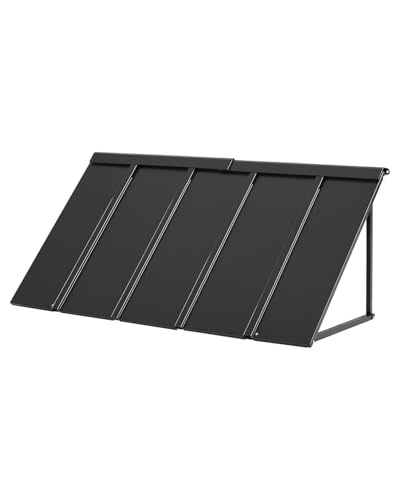
Best for long-term durability in exposed entryways. The 56×24 inch fixed metal canopy uses 0.8mm metal tiles and a triangular frame to resist wind and weather. A sloped design helps water drain efficiently, reducing the risk of pooling. Choose this if you need a rugged solution that holds up to heavier rain and wind, but be aware of a potentially higher installation effort due to its metal components.
VEVOR Awnings for Door Entrance 38″ x 40″

Best for efficient drainage and UV protection in front-entry spaces. This polycarbonate canopy emphasizes an upgraded drainage sink to guide rainwater away, with UPF 50+ protection to reduce heat. The combination of polycarbonate and reinforced ABS brackets provides solid load-bearing performance. It’s a solid pick for those who prioritize keeping a doorway clean and dry, with the caveat of a more complex drainage setup that users should install correctly.
VEVOR Aluminum Awning 40 x 42

Best for lightweight yet stable protection for doors and windows. The 40×42 inch aluminum canopy uses a reinforced frame with 22mm thick support rods and curved-edge drainage. This design aims to deliver durable performance in sun, rain, and snow. It’s a good choice if you want a balance of weight, ease of installation, and sturdy construction, though it may be less robust in extreme wind compared to heavier metal options.
Kozyard Adjustable Door Window Awning

Best for customizable shade and year-round comfort. This 4-level tilt awning lets you adapt shade and airflow across seasons. It includes a built-in front gutter to direct rainwater away from the doorway, helping keep entryways dry during heavy rain. It’s a versatile option for those who want more control over sun exposure, with a caution for more involved assembly and adjustment compared to fixed models.
GDPFN Metal Awning 54×24

Best for adjustable-year-round protection with a rugged metal frame. The 54×24 inch canopy features a reinforced steel frame with a stone-coated finish for UV protection and a polished exterior. An adjustable angle helps tailor shade and rain runoff. This option suits homeowners needing a sturdy, longer-life canopy, while its heavier metal design may require more precise mounting and space planning.
Buying Guide: Key Purchase Considerations
- Size and fit: Measure door width and clearance to ensure the canopy covers the entrance without obstruction.
- Material and climate: Polycarbonate and aluminum are lighter and easier to install; steel and heavy metal frames offer superior wind resistance but add weight.
- Drainage design: Look for sloped canopies or dedicated drainage channels to prevent water pooling at the doorway.
- UV protection: UPF ratings and UV-protective materials help reduce interior heat and door fade.
- Ease of installation: Some models require two people or professional mounting; check assembly instructions and included hardware.
- Maintenance: Consider corrosion resistance and weatherproof finishes for longevity in your local climate.
- Style and color: Choose a finish that complements your home exterior and roofline for curb appeal.
- Price vs. durability: Balance upfront cost with expected lifespan and wind load tolerance for your area.
Frequently Asked Questions
- What size is best for a standard front door?
For most standard doors, a canopy around 38″–54″ wide provides adequate coverage without overhang, while 24″–42″ projection helps keep the entry dry without crowding the doorway.
- Are metal awnings better than polycarbonate?
Metal awnings typically offer greater wind resistance and durability, while polycarbonate options are lighter and faster to install, with good UV protection.
- Do I need professional installation?
Many models include clear installation instructions, and some installations benefit from two people. Heavier metal canopies may require anchoring into structural supports or masonry.
- How do I maintain an awning canopy?
Regularly remove debris, rinse with water, and inspect brackets and screws for corrosion or loosening. Repaint or reseal metal finishes as needed to prevent rust.
- Can an awning improve energy efficiency?
Yes. Awnings block direct sunlight from doors and windows, reducing heat gain and cooling needs in summer, which can lower energy costs over time.
- What is a good drainage feature to look for?
Look for sloped surfaces, drainage gutters, and directed water channels that guide rain away from the doorway to prevent pooling and slippery floors.