Discover durable, easy-to-install deck flooring that fits patios, balconies, pools, and more. This guide highlights five top options suited to different needs—from natural wood vibes to maintenance-free plastics. Best for quick DIY projects, large patios, or households with kids and pets, these picks balance durability, drainage, and style. The selections emphasize moisture resistance, ease of care, and simple interlocking designs to minimize installation time and maximize usable space.
| Product | Best For | Key Benefit |
|---|---|---|
| THYOI Premium Deck Tiles | Outdoor patios and balconies | Natural acacia wood with quick-drain design |
| DECKIFY 9Pcs Premium Acacia Tiles | All-weather wooden look | Raised base for drainage and airflow |
| Yumi Muasy 44 Pack | Low-cost, quick-cover projects | Plastic panels with easy snap-together design |
| Goovilla 9 Pack | All-weather plastic decking | High-density plastic with stable, snap-in tiles |
| Rovibek 60PCS | Wet areas and moisture-prone spaces | Perforated drainage design for airflow |
THYOI Premium Deck Tiles, 10-Pack

Best for: Outdoor spaces where a natural wood look with low-maintenance care is desired. These tiles use 100% acacia wood with a deep-oil finish, offering a premium grain appearance and a splinter-free surface suitable for families with kids or pets. The interlocking design supports quick installation and temporary use for events. The tiles are waterproof and sanded smooth for comfort underfoot. A potential limitation is that wood requires periodic maintenance to preserve color and finish over time.
DECKIFY 9Pcs Premium Acacia Tiles

Best for: All-weather wooden-look surfaces with safe, barefoot-friendly texture. Each tile is 12 x 12 inches and 0.9 inches thick, featuring a raised base for drainage and airflow. The grooved slats offer safe grip around wet areas like pools and balconies, while the elevated base helps keep surfaces dry. Choose this if you want a premium feel with practical drainage. Limitation: wood tiles can require periodic sealing or oiling for color retention.
Yumi Muasy Interlocking Deck Tiles, 44 Pack

Best for: Budget-friendly DIY projects and temporary outdoor flooring. This 44-pack uses interlocking plastic tiles that snap together with no tools, making it ideal for patios, balconies, or garden areas. They are waterproof and designed to resist cracking, warping, or fading, providing a flexible option for seasonal use. Caution: plastic tiles may not achieve the same natural warmth as wood; check surface compatibility with heavy traffic for long-term installations.
Goovilla Plastic Interlocking Tiles, 9 Pack
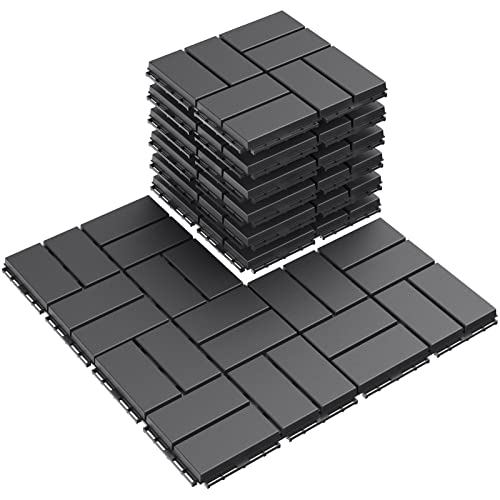
Best for: Quick, all-weather decking with minimal maintenance. These 12″x12″ tiles are lightweight, high-density plastic designed to withstand sun and moisture with a secure, tool-free snap connection. The design emphasizes efficient drainage and stability, reducing slip risk on wet surfaces. Limitation: plastic tiles may feel cooler and less natural underfoot than wood and can expand slightly in extreme heat or cold.
Rovibek 60PCS Plastic Interlocking Deck Tiles

Best for: Wet environments requiring robust drainage and airflow. These perforated, 12″x12″ tiles offer efficient water flow underneath to keep floors dry in pool areas, bathrooms, or outdoor showers. They’re durable for indoor or outdoor use and resist expansion in changing weather. Caution: ensure the underlying surface is level for a uniform footprint, as uneven subfloors can affect tile interlock stability.
Buying Guide
Key considerations when choosing deck flooring include material, drainage, and installation ease. Materials range from natural wood to durable plastics. Wood provides a warm, natural look but needs upkeep and is more susceptible to weathering. Plastic options excel in water resistance and simplicity but can lack the warmth of wood. Interlocking designs improve installation speed and allow for easy customization. Consider the space, foot traffic, and whether you need temporary or permanent coverage.
What should you know about drainage? Look for raised bases, slats, or perforations that promote airflow and water runoff. Safety features such as textured surfaces or grooved slats help reduce slip hazards when the deck gets wet. For irregular spaces, choose tiles that can be cut to fit curves and edges. If you have pets or kids, consider a splinter-free surface or non-slip textures to minimize accidents.
Durability and load-bearing capacity matter for patios and balconies with heavy furniture or hot-tub setups. For wet areas like pool decks, prioritize water resistance and quick-drying capabilities. Maintenance needs vary: wood may require sealing or oiling, while plastics typically demand routine cleaning. Budget considerations often align with durability expectations; higher upfront cost may yield longer service life and lower ongoing maintenance.
Installation tips: use a level subfloor, plan a grid layout, and interlock tiles starting from a corner. For irregular shapes, measure precisely and trim tiles as needed (carefully). If temporary installation is desired, ensure tiles are easily removable without damage to underlying surfaces. Always verify weight capacity, especially for elevated decks or areas that support heavy items.
FAQ
- Q: Are interlocking deck tiles waterproof?
- A: Yes, most interlocking tiles are designed to resist moisture, but performance varies by material. Plastic tiles generally offer superior water resistance compared to natural wood.
- Q: Do wooden deck tiles require maintenance?
- A: Wood tiles may require sealing or oiling to maintain color and prevent wear, especially in exposed sun and rain.
- Q: Can I cut tiles to fit irregular shapes?
- A: Many tiles are designed to be cut with a utility knife or saw to fit edges and curved spaces.
- Q: Which tile is best for a pool area?
- A: Look for raised bases and drainage features; plastic or composite tiles with grooved slats work well for wet poolside surfaces.
- Q: Do these require tools for installation?
- A: Most interlocking tiles are tool-free, designed for quick DIY setup; some wooden tiles may require simple cutting but no specialized tools.