Protecting your vegetable garden from harmful pests is essential for yielding a bountiful and healthy harvest. Choosing the best insecticide for vegetable gardens involves considering effectiveness, safety, and ease of use. Below is a summary table highlighting some top insecticide products designed to shield your vegetables from a variety of insects while supporting organic and chemical gardening preferences.
| Product Name | Type | Key Features | Brand |
|---|---|---|---|
| Bayer Advanced Crop Science Concentrate | Contact Insecticide | Kills 70+ insects including aphids, caterpillars, and whiteflies; concentrate formula | BioAdvanced |
| Garden Safe Fungicide3 with Neem Oil | Fungicide, Insecticide & Miticide | Organic, controls fungal diseases plus insects like aphids and spider mites | Garden Safe |
| Atticus Spliven Organic Insecticide | Organic Spinosad Insecticide | OMRI listed, kills damaging insects in organic fruit and veggie gardens | Atticus |
| Bonide Pyrethrin Garden Insect Spray | Pyrethrin Concentrate | Fast-acting, kills aphids, beetles, webworms; biodegradable active ingredient | Bonide |
| Organic Insecticide for Tomato, Fruits & Vegetables | Ready-to-Spray Organic | Certified organic, controls aphids, mites & more; hose-end sprayer for easy use | ARBER |
Bayer Advanced Crop Science 701521A Concentrate Vegetable Garden Rescue

This concentrated insecticide is formulated to kill over 70 types of insects harmful to vegetable gardens. It works on contact to eliminate pests such as aphids, caterpillars, thrips, tomato hornworms, and whiteflies. The product protects fruits and vegetables efficiently by coating plant leaves without dripping. Application involves mixing the concentrate and spraying until leaves are coated, which offers an easy and effective pest control method to maintain the health and productivity of your garden.
Garden Safe Brand Fungicide3 with Neem Oil Extract

This organic-friendly fungicide, insecticide, and miticide is ideal for protecting fruits, vegetables, roses, and ornamental plants. It treats common fungal diseases such as black spot, rust, and powdery mildew while controlling insects like aphids and spider mites throughout their egg, larva, and adult stages. The natural neem oil extract active ingredient makes it suitable for gardeners who prioritize organic cultivation without sacrificing comprehensive plant protection.
Atticus Spliven Organic Insecticide with Spinosad

Atticus Spliven contains 0.5% Spinosad, an OMRI-listed active ingredient trusted in organic gardening. It effectively kills a wide range of damaging insects in vegetable gardens, lawns, and ornamental plants. Suitable for many types of vegetables and fruit crops, this insecticide aligns with organic standards while providing powerful pest control. Application instructions specify targeting fruiting, leafy, and tuberous vegetables to ensure healthy growth and optimal pest management.
Bonide Pyrethrin Garden Insect Spray Concentrate

This fast-acting pyrethrin-based insecticide targets aphids, beetles, webworms, leafhoppers, and many other pests. Derived naturally from chrysanthemum flowers, pyrethrin attacks the nervous system of insects, providing quick knockdown and control. Its biodegradable nature makes it an environmentally preferred solution for garden pest control while allowing use on vegetables like asparagus, beans, peppers, and tomatoes, as well as ornamental garden plants.
Organic Insecticide for Tomato, Fruits & Vegetables by ARBER
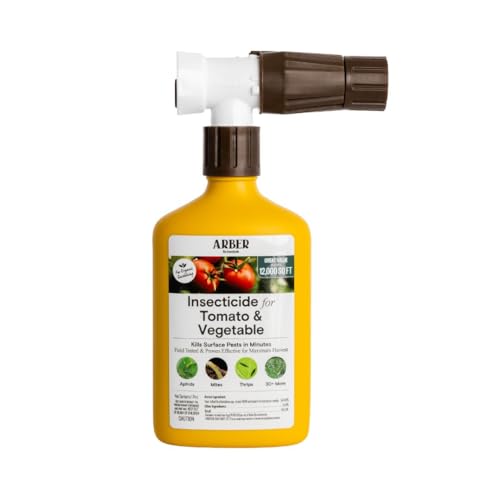
This certified organic ready-to-spray insecticide is designed for tomato plants, fruits, and vegetables, effectively controlling aphids, mites, thrips, gnats, and more. It offers safe use on edible plants and allows harvesting just 30 minutes after application. The hose-end sprayer design simplifies coverage of foliage and soil, making pest control straightforward without mixing or measuring, ideal for organic gardeners who want convenience combined with plant safety.
Buying Guide: Choosing the Right Insecticide for Your Vegetable Garden
Selecting the best insecticide requires careful consideration of several factors to ensure effectiveness, safety, and sustainability in your garden:
1. Type of Insecticide
- Contact insecticides kill pests on direct application but may require thorough coverage to be effective.
- Systemic insecticides are absorbed by plants, providing longer-lasting protection but must be used carefully when dealing with edible crops.
- Organic insecticides such as neem oil and spinosad are preferred for edible gardens to reduce chemical exposure risks.
2. Target Pests and Spectrum
Identify the common pests in your garden like aphids, caterpillars, mites, or whiteflies. Choose an insecticide that covers those specific insects. Some products also combine miticides and fungicides for broader protection against mites and fungal diseases.
3. Safety for Edible Plants
- Look for products labeled safe for use on fruits and vegetables.
- Check for organic certification or approval by organizations like OMRI for organic gardening.
- Review harvest intervals to ensure safe consumption timing after application.
4. Application Method and Convenience
Consider ease of use such as ready-to-spray formulas, concentrates requiring dilution, or hose-end sprayers. Efficient application promotes thorough and timely pest control throughout the growing season.
5. Environmental Impact
Select biodegradable or naturally-derived insecticides to minimize environmental harm. Also, avoid broad-spectrum insecticides when possible to preserve beneficial insects like pollinators.
6. Residual Effect and Frequency
Evaluate how long the insecticide remains effective. Some products have immediate knockdown without residual action requiring frequent reapplication, while others offer long-lasting protection reducing effort.
In summary, the best insecticide for your vegetable garden balances pest control efficacy with safety for both your plants and the environment. Choosing from products like organic neem oil formulations, spinosad concentrates, or effective pyrethrin-based sprays will help maintain a thriving, pest-free garden.