Caring for indoor plants means protecting them from common pests like aphids, spider mites, and whiteflies. Using the best insecticidal soap for indoor plants ensures safe, effective pest control without harmful chemicals. Below is a summary table of top-rated insecticidal soaps that combine organic ingredients with powerful pest elimination qualities.
| Product | Brand | Usage | Key Features |
|---|---|---|---|
| Safer 5118-6 Insect Killing Soap Concentrate | Safer | Indoor & Outdoor | Kills aphids, whiteflies, thrips, spider mites; OMRI listed for organic use |
| Bonide Captain Jack’s Insecticidal Super Soap | Bonide | Outdoor | Controls wide range of pests; kills by contact and ingestion; ready-to-use |
| Natria Insecticidal Soap, 24 oz | Natria | Indoor & Outdoor | Ready-to-use; targets aphids, mealybugs, mites, whiteflies; organic gardening safe |
| Trifecta Crop Control Insecticidal Soap | Trifecta | Indoor & Outdoor | Natural, plant-based; controls spider mites & fungus; commercial grade |
| Organic Insecticide & Fungicide by ARBER | ARBER | Indoor & Outdoor | Dual fungicide & insecticide; controls powdery mildew & multiple pests |
Safer 5118-6 Insect Killing Soap Concentrate for Indoor Plants
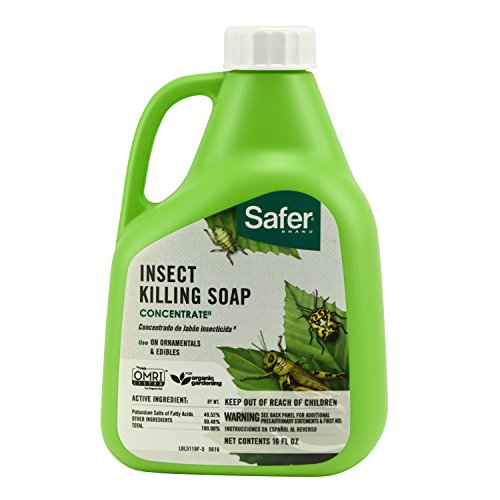
The Safer 5118-6 Insect Killing Soap Concentrate provides a gentle yet effective solution against a wide range of soft-bodied pests. Ideal for indoor plants like herbs, flowers, vegetables, and houseplants, it safely eliminates aphids, mealybugs, whiteflies, leafhoppers, spider mites, and more. This OMRI-listed product is formulated to be gentle, making it safe for most plants while maintaining organic gardening standards. Use the concentrate throughout the growing season, spraying at the first sign of insect damage and repeating every 5 to 7 days. It’s safe to use up to harvest, ensuring no harmful residue remains on edible plants.
Bonide Captain Jack’s Insecticidal Super Soap for Outdoor Plants

Bonide Captain Jack’s Insecticidal Super Soap is formulated specifically for outdoor residential gardens, including lawns, ornamentals, and greenhouses. Its broad-spectrum formula controls pests such as adelgids, aphids, caterpillars, spider mites, thrips, and weevils. This product kills insects both by direct contact and ingestion, making it effective against a versatile range of pests. Though designed for outdoor use, it supports organic gardening without harmful chemical residues. Suitable for many plants like herbs, fruits, and vegetables, it promotes healthy, pest-free growth in your outdoor spaces.
Natria Ready-to-Use Insecticidal Soap for Indoor & Outdoor Plants

The Natria Insecticidal Soap is a convenient ready-to-use spray excellent for indoor and outdoor plants. Effective against common pests such as aphids, mealybugs, mites, and whiteflies, it offers reliable protection without the need for mixing or measuring. This product is ideal for organic gardening as it can be used safely up to the day of harvest. Its gentle, easy-application formula makes it a popular choice for maintaining plant health in homes and gardens alike.
Trifecta Crop Control Natural Insecticidal Soap & Fungicide

Trifecta Crop Control insecticidal soap combines plant-based ingredients with fungicide properties, making it a dual-action solution for indoor and outdoor plants. It controls spider mites, aphids, whiteflies, and fungus gnats while also combating powdery mildew and other fungal diseases. Its biodegradable, eco-friendly formula is safe on edible crops and free of chemical residues. The product dries quickly without leaving odors and protects beneficial insects, aligning with organic gardening principles and commercial-grade standards.
Organic Insecticide & Fungicide by ARBER for Indoor Plants

The ARBER Organic Insecticide & Fungicide is a versatile spray that simultaneously controls fungal diseases like powdery mildew and insect pests including aphids, spider mites, whiteflies, and thrips. Its natural ingredients make it safe and effective for indoor plants, vegetables, lawns, and gardens. This formula also works as a leaf shine spray, enhancing plant appearance while defending against pests. Compatible with insecticidal soap concentrates and BT sprays, it offers a multifaceted approach for plant protection in organic gardening.
Buying Guide for the Best Insecticidal Soap for Indoor Plants
Effectiveness Against Common Indoor Pests
Choose insecticidal soaps formulated specifically to target soft-bodied pests common on indoor plants, including aphids, spider mites, whiteflies, thrips, and mealybugs. Products that list multiple pests ensure broader protection, minimizing the risk of recurrent infestations.
Safety for Indoor Use
Indoor plant pest treatments should be safe for enclosed spaces, posing minimal risks to humans and pets. Look for organic or OMRI-listed insecticidal soaps without harsh chemicals or residual toxins. Fast-drying, odorless formulas enhance indoor safety and comfort.
Ease of Use and Application
Ready-to-use sprays offer convenience, especially for beginner gardeners, eliminating the need for dilution. Concentrates provide value and customization but require mixing. Spray bottles with even atomization allow thorough coverage without drenching plants.
Plant Compatibility
Ensure the insecticidal soap is gentle enough for diverse indoor plants, including delicate flowers, herbs, vegetables, and houseplants. Some soaps can be used up to the day of harvest, which is vital for edible plants.
Additional Benefits
Some products double as fungicides or leaf shine sprays, offering multifaceted plant health benefits. Biodegradability and environmental friendliness are essential factors for sustainable indoor gardening practices, as is the preservation of beneficial insects.
Organic Certification and Residue Concerns
For gardeners prioritizing clean, organic methods, selecting OMRI-listed or certified organic products is crucial. These ensure compliance with organic gardening standards and minimize chemical buildup. Products safe on edible plants prevent contamination and maintain safe consumption.
Pest Control Mechanism
Insecticidal soaps typically kill pests by disrupting their outer shells and dehydrating them. Some products also kill pests upon ingestion, providing a two-pronged approach. Understanding the mode of action can help ensure proper application and effectiveness.