Clay soil often presents challenges like poor drainage and compaction, making it difficult for plants to thrive. Choosing the right ground cover can alleviate these issues by enhancing aeration, retaining moisture appropriately, and preventing soil erosion. Below is a comparative summary table of top-rated ground covers designed specifically to improve clay soil conditions.
| Product | Brand | Key Features |
|---|---|---|
| TOYPOPOR Expanded Leca Clay Pebbles | TOYPOPOR | Excellent drainage and aeration, pH neutral, natural expanded clay pellets |
| Outsidepride Annual Daikon Radish Seeds | Outsidepride | Deep taproot for soil aeration, erosion control, and nutrient recycling |
| Voulosimi Horticultural Calcined Clay Soil Additive | Voulosimi | Moisture retention, ideal for succulents and bonsai mix, balanced clay action |
| Mosser Lee River Rock Soil Cover | Mosser Lee | Improves water drainage, decorative cover for indoor plants and terrariums |
| Mosser Lee Black Sand Soil Cover | Mosser Lee | Improves looks and drainage for houseplants, decorative use |
TOYPOPOR Expanded Leca Clay Pebbles for Soil Drainage

TOYPOPOR’s natural expanded clay pebbles are baked at high temperatures to create pH-neutral pellets that enhance soil aeration and drainage. Their porous structure prevents root saturation by allowing excess water to drain while supplying oxygen, which improves root health. The pebbles are sturdy, odorless, and suitable for various growing setups like hydroponics and aquaponics.
The pebbles come in multiple sizes from 4mm to 16mm, offering flexibility whether used for orchids, container plants, or drainage layers. Their lightweight nature and ability to regulate soil temperature make them ideal for clay soils where water retention can be excessive and roots risk suffocating.
Outsidepride Annual Daikon Radish Seeds for Soil Health

These radish seeds produce plants with a deep taproot system that effectively breaks up compacted clay soil, enhancing aeration and water infiltration. Acting as a cover crop, daikon radish protects soil from erosion during winter by forming a dense canopy and improving nutrient recycling.
Planting these seeds in the fall allows you to leverage their soil-loosening properties naturally, improving soil structure for subsequent crops. This method suits gardeners seeking an organic solution to alleviate clay soil compaction.
Voulosimi Calcined Clay Soil Additive for Succulents and Bonsai

This horticultural-grade calcined clay additive helps retain moisture without over-saturating, ideal for succulent, cactus, and bonsai soil mixes. Clay’s natural balanced action supports healthy root growth and moisture regulation.
In clay soils, mixing this calcined clay improves texture and aeration, promoting better drainage and avoiding water-logged conditions. Its fine granules make it perfect as an additive to create a hospitable environment for sensitive specialty plants.
Mosser Lee River Rock Soil Cover for Drainage
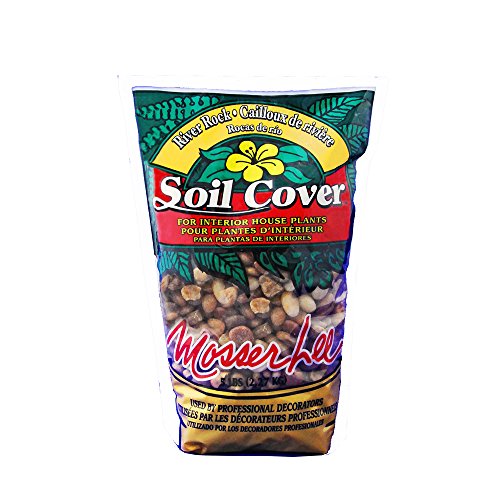
The Mosser Lee River Rock cover serves a dual purpose of decoration and function by enhancing water drainage for indoor potted plants and terrariums. Placed on the soil surface or at pot bottoms, the smooth river rocks prevent soil compaction and aid airflow around roots in heavy clay soil.
Its natural appearance also adds an aesthetic value, making it practical for houseplants and container gardens that require improved soil moisture management without sacrificing visual appeal.
Mosser Lee Black Sand Soil Cover for Indoor Plants

Mosser Lee’s Black Sand is an attractive soil cover that improves drainage while enhancing the appearance of houseplants. It’s perfect for decorative use in terrariums, clear vases, and dish gardens. The sand helps improve water flow through the soil by preventing surface crusting typical in clay soils.
This product is useful for gardeners aiming to protect seedlings or indoor plants grown in dense soil media where water retention needs to be controlled for healthier growth.
Buying Guide For Ground Covers Suitable For Clay Soil
Choosing the best ground cover for clay soil requires considering multiple factors to improve plant health and soil condition effectively:
Drainage and Aeration Capabilities
Clay soils tend to retain water, leading to root rot and poor oxygen availability. Look for ground covers like expanded clay pebbles or river rocks that create air pockets while allowing excess moisture to drain.
Soil Compaction Improvement
Plants or additives that help break up soil compaction—such as deep-rooted cover crops like daikon radish—can dramatically improve soil structure over time, making it more friable and easier for roots to expand.
Moisture Retention Balance
While improving drainage is vital, some moisture retention is necessary, especially in dry seasons. Soil additives like calcined clay can absorb and slowly release moisture, helping to maintain consistent soil hydration without waterlogging.
pH Neutrality and Chemical Effects
Ground covers that are chemically neutral (e.g., TOYPOPOR’s pH neutral expanded clay) are preferable as they do not alter soil acidity or alkalinity, preserving the natural balance important for sensitive plants.
Plant Type Compatibility
Select ground covers suited to your plants’ needs. Succulents and bonsai benefit from moisture-controlling additives, whereas larger vegetables or outdoor shrubs in clay soil may thrive better with cover crops that loosen compacted soil.
Aesthetic and Practical Considerations
Decorative options like black sand or river stones enhance indoor plant displays. Additionally, ensuring your ground cover integrates well with your garden’s design can improve overall appeal without sacrificing function.
By weighing these factors and selecting from proven products, gardeners can successfully manage the challenges of clay soil, improving plant growth, soil health, and garden beauty.