If you need to quickly lower chlorine levels in a hot tub or pool, a chlorine neutralizer is the right tool. These products reduce free chlorine to safer, comfortable ranges after shocking or overfeeding. They’re best for spa owners managing routine maintenance, first-time hot tub users balancing after heavy use, and anyone needing a fast backup solution during chemical adjustments. The following picks are among the most relevant options, chosen for clarity, practicality, and effectiveness across common hot tub setups.
Summary of selected products
| Product | Best For | Why Pick | Notes |
|---|---|---|---|
| AquaDoc Chlorine Neutralizer for Pool & Hot Tub | Owners needing simple, sodium thiosulfate-based neutralization | Readily dissolves; suitable for regular maintenance | USA-made, easy-to-use |
| BioGuard ChemOut | All pool types with high chlorine or bromine | Dissolves instantly; reduces downtime | Quick action for high sanitizer levels |
| In The Swim Chlorine Neutralizer | Fast relief for elevated sanitizer levels | 90% sodium thiosulfate; no premixing | Widely used in pools and spas |
| HOLEVINT Sodium Thiosulfate Neutralizer | Versatile pool and hot tub balancing | Effective on both chlorine and bromine | Fast-acting, multi-use formula |
| Pool Chlorine Neutralizer (CFUTABOH) | Emergency dechlorination and daily maintenance | Fast-acting; broad application | 2 lb size for regular use |
Below are five products aligned with typical needs, followed by a practical Buying Guide and a concise FAQ to help you decide.
AquaDoc Chlorine Neutralizer for Pool & Hot Tub

Best for: Home spa owners who want a straightforward, sodium thiosulfate-based solution to drop chlorine after shocking. The formula supports balanced water when used as directed and is designed to dissolve evenly for uniform distribution.
Why chosen: It’s easy to use—test water, apply the recommended amount, and let the filtration system circulate. Its neutralizing action is specifically focused on reducing chlorine, which helps prevent eye irritation and maintains comfort during routine spa care.
Limitations: As with all chlorine-neutralizing products, always re-check sanitizer levels after treatment and adjust dosing according to water testing results. Do not exceed recommended amounts to avoid under-sanitizing the water.
BioGuard ChemOut
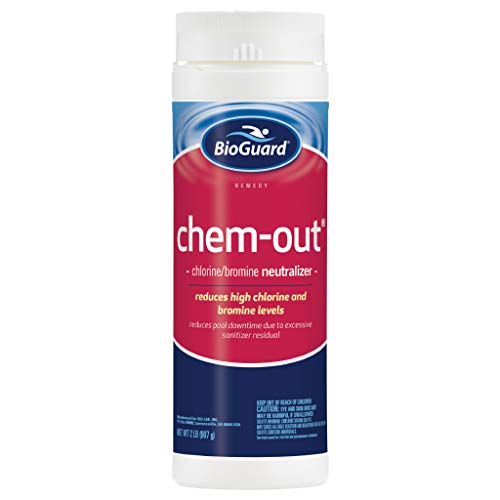
Best for: All pool types needing rapid neutralization of high chlorine or bromine residuals to minimize downtime between uses.
Why chosen: ChemOut is designed to eliminate excess sanitizers quickly, helping pools return to usable conditions faster. Its broad compatibility makes it a versatile choice for multi-chemistry maintenance.
Limitations: It is a neutralizer, not a ongoing sanitizer; you’ll still need to maintain proper chlorine/bromine levels after treatment.
In The Swim Chlorine Neutralizer

Best for: Pool and hot tub owners needing a quick drop in free chlorine levels with a straightforward, no-premix approach.
Why chosen: It uses 90% sodium thiosulfate and requires no premixing, making it a practical option for regular maintenance when chlorine rises above desired levels.
Limitations: As with any chemical treatment, follow testing results precisely; misjudged dosages can lead to temporary imbalances.
HOLEVINT Sodium Thiosulfate Neutralizer

Best for: Users seeking a versatile neutralizer that works for both pools and hot tubs and is effective against elevated bromine and chlorine.
Why chosen: The formula emphasizes fast action and broad use, making it suitable for mixed sanitizers or varying maintenance routines. It helps restore water balance quickly after sanitizer spikes.
Limitations: Ensure compatibility with your current sanitizer system; otherwise, you may need a tailored dosing plan for your setup.
Pool Chlorine Neutralizer

Best for: Pools and hot tubs needing rapid reduction of both chlorine and bromine levels, especially after shock treatment or daily dosing.
Why chosen: This fast-acting formula targets high sanitizer levels, reducing odors and irritation while protecting equipment from over-chlorination or bromine excess.
Limitations: It is a general neutralizer—for best results, follow a testing plan to re-balance after treatment and avoid over-correction.
Buying Guide
What to consider when choosing a chlorine or bromine neutralizer
- Chemistry type: Most products rely on sodium thiosulfate to neutralize chlorine and bromine. Confirm the formula if you also need broad-spectrum balancing.
- Pool vs. hot tub: Some formulas are designed for both pools and spas; others are optimized for hot tubs or for specific sanitizer systems. Pick based on your system type.
- Usage and dosing: Check whether the product requires premixing or can be added directly after testing. Clear dosing instructions improve accuracy.
- Speed of action: If you need rapid relief from elevated sanitizers, choose a fast-acting neutralizer with proven distribution characteristics in water.
- Compatibility: Ensure the product works with your current sanitizers (chlorine, bromine, or combined systems) and your heater, pump, and liners.
- Storage and handling: Consider packaging size relative to your typical usage and ensure safe storage away from children and pets.
How to use a chlorine or bromine neutralizer effectively
- Test water first with appropriate test strips to determine current free chlorine or bromine levels and pH.
- Follow the label’s dosing instructions based on your water volume and sanitizer level.
- Run the filtration system after adding the neutralizer to distribute it evenly.
- Re-test water after a recommended circulation period and adjust other chemicals as needed.
- Avoid adding multiple chemical products at once; if necessary, wait for the first to circulate before applying another.
FAQ
- What does a chlorine neutralizer do? It lowers free chlorine levels quickly by chemically reducing sanitizer concentration in the water.
- Can I use a chlorine neutralizer in a hot tub? Yes, most products are suitable for hot tubs and pools; follow product-specific guidance for spa usage.
- How soon should I retest water after treatment? Retest after the recommended circulation period, typically 15–60 minutes, depending on the product and system.
- Will neutralizers affect pH? Neutralizers primarily target sanitizer levels; some formulations can influence overall water balance, so adjust pH if needed.
- Is it safe to drain and start over after using a neutralizer? Draining should follow local guidelines and product recommendations; rebalancing will be necessary after refilling.
- Which neutralizer works best for bromine? Look for a product labeled for bromine reduction or one that lists both chlorine and bromine neutralization capabilities.